

Types of Corks and Wine Closures
Have you noticed that some wine producers use different types of wine closures than others?
Why Do Wines Use Corks?
Wine corks have been the preferred wine closure option for centuries, and for good reason: the cork material enables wines to age without going bad. The porous material of wine cork enables tiny amounts of air to interact with the stored wine, helping it to age and transform in aroma and flavor. However, the elasticity of the cork seals the bottleneck by expanding and ensures all liquid is completely sealed within the bottle.
In recent years, a few other wine closure options have entered the market, however, traditional wine corks remain the most popular option for modern wine brands.
Type of corks
1. Natural Cork
Natural cork is a renewable, recyclable, and biodegradable wine closure option. Cork is the most traditional form of wine closure, with around 70 percent of all wines closed with cork seals in recent years.
2. Synthetic Cork
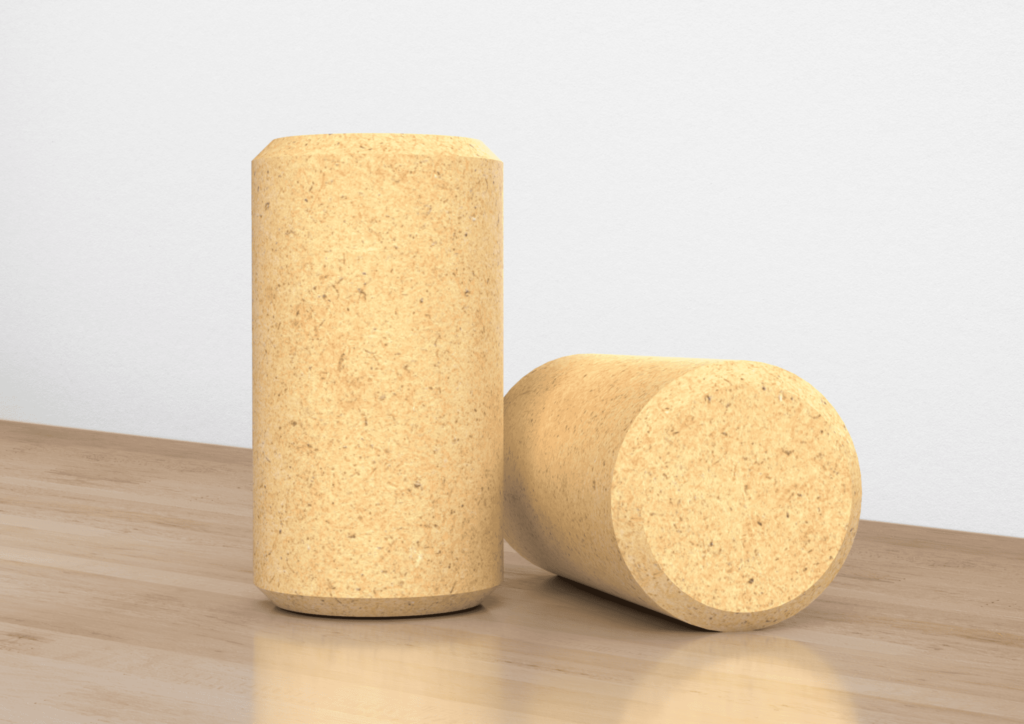
Synthetic corks are not actually made from cork. Instead, these cork-lookalikes are made from plastic compounds designed to act like natural cork. The benefit of these corks is having little-to-no risk of TCA contamination, or cork taint.
3. Sparkling Wine Cork
Sparkling wine corks differ from traditional wine corks in the form of the cork disks at the bottom of the cork. These discs are more elastic, so when combined with the CO2 and six-to-eight bars of pressure in sparkling wine, they expand to form the mushroom-shaped cork we’re familiar with today.
4. Grainy (Agglomerate) Cork
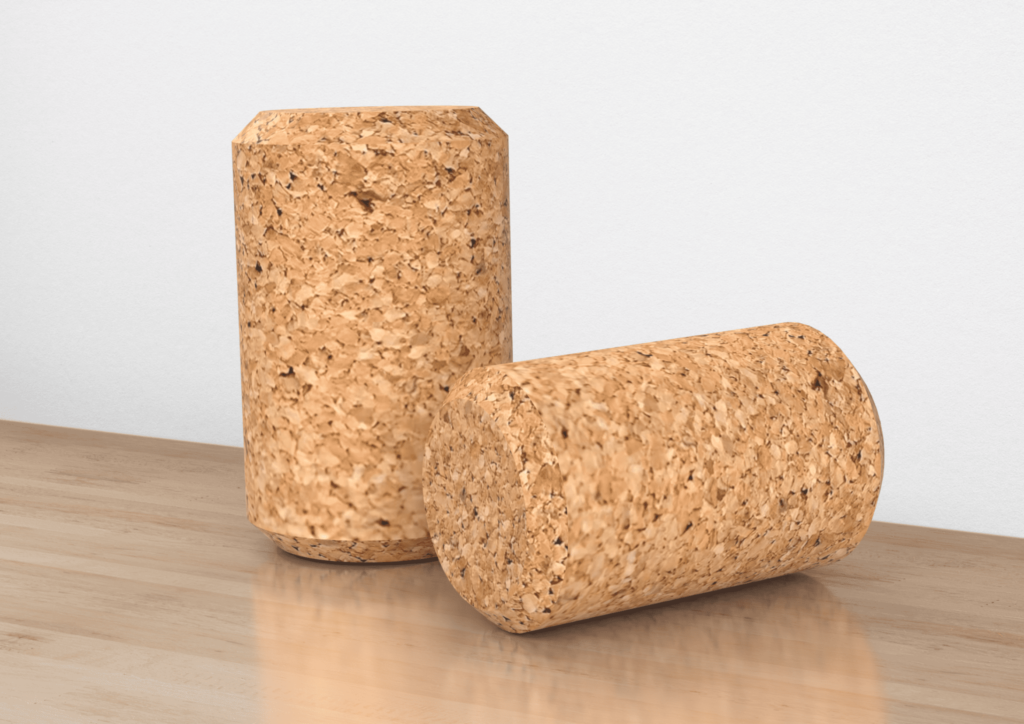
Grainy corks are a low-cost cork alternative for wines that are intended for near-immediate consumption. These corks use granulates from the production of natural corks and offer a maximum wine storage period of two years.
5. Capped Cork
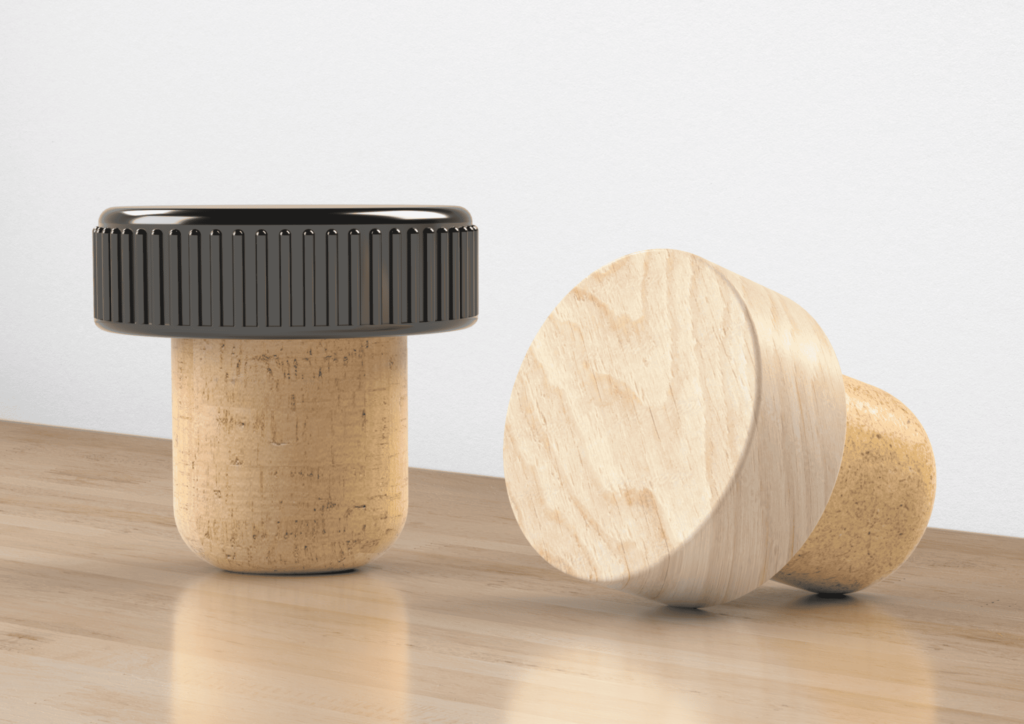
This cork combines the benefits of natural cork and plastic, with one part of each making up this bottle closure. These closures are more common for beverages with high-alcohol percentages, which are not meant to be drunk in one sitting.
6. Screw Cap
Screw caps have become a popular wine closure option in recent years in some countries thanks to their unique benefits. Screw caps offer little to no oxygen exposure, which is ideal for wines like Sauvignon Blanc, but not a great option for wines that are meant to age and develop over time.
While each wine producer has different needs for their wines, many global fine wine producers stick to natural cork as their wine closure of choice.